


How Fast Does Little Lime Hydrangea Grow: What to Expect
How fast does little lime hydrangea grow? Discover its growth rate, ideal conditions for faster results, and expert tips to help your hydrangea thrive.

If you missed my previous blog post on how to plant little lime hydrangeas, I shared everything you need to know to give these beautiful panicle hydrangeas the best possible start.
From choosing the right location to prepping the planting hole with compost and ensuring proper soil moisture.
It’s a great place to begin if you’re new to planting hydrangeas.
After sharing that post, one of the most common follow up questions I received was: How fast do they grow?
And I get it because patience is definitely not one of my strong virtues!
When you’ve just planted something new and beautiful in your yard, you want to know when you can expect it to really take off.
I found myself wondering the same thing the first time we added little limes to our garden.
In this post, I’m sharing everything we’ve learned about how fast little lime hydrangeas grow, what to expect in the first year, and how to encourage healthy growth over time.
It doesn’t matter if you’re hoping for full blooms by next summer or trying to understand their growth habits a little better, I’ve got you covered!
More Hydrangea Posts
How Fast Little Lime Hydrangeas Grow Each Year
Once established, little limes grow at a medium rate, that means about 12 inches per year under ideal conditions.
At full maturity, they’ll typically reach 3 to 5 feet tall and wide making their compact size an excellent choice for smaller landscapes, foundation plantings, or container gardens.
While that does sound straightforward, there are several factors that can influence how quickly your new plants fill in…
Sunlight
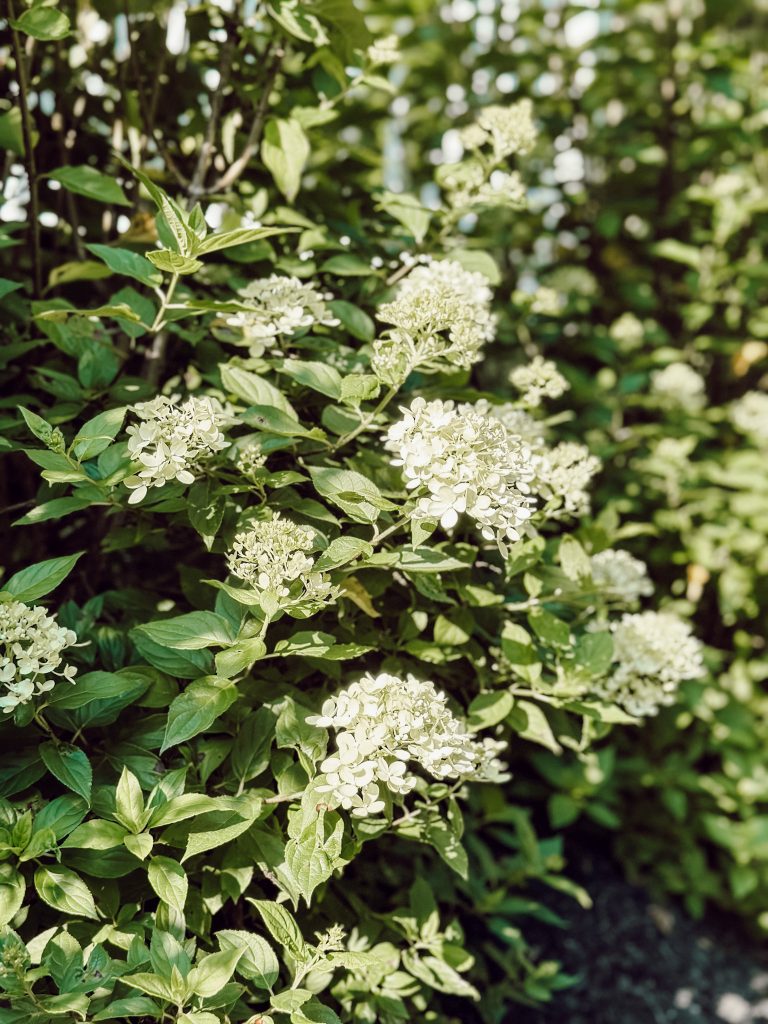
Little lime hydrangeas thrive in full sun to part sun which means they’ll need about 4–6 hours of sunlight per day.
In cooler climates, full sun will give you the best blooms and bushier growth.
But in hotter regions, especially during the peak of summer, some afternoon shade can help prevent stress and leaf scorch.
A little note
Little lime hydrangeas can grow in shadier conditions however, the blossoms may be more sparse and smaller in size.
Well-Drained Soil
The dwarf limelight hydrangea loves consistently moist conditions, but they don’t like to be soggy.
The goal is to keep the roots hydrated without drowning them which can lead to root rot.
During dry spells or the first year after planting, keep an extra close eye on soil moisture and water deeply about 1–2 times a week.
Pruning
To keep your little lime full and vigorous, prune it back in late winter or early spring, before new growth emerges.
Hydrangeas bloom on new wood, so pruning encourages fresh stems and helps shape the plant.
It also results in strong stems and larger flower heads during the growing season.
Pruning Breakdown
- Timing: Prune in late winter or early spring before new growth starts.
- How Much: Cut back about 1/3 of the overall height, shaping the plant as you go.
- Why: They bloom on new wood, so pruning won’t remove flower buds instead, it helps create more of them!
Mulch
Adding a layer of thick mulch around the base (but remember, not directly against the stem) helps maintain soil moisture, keeps weeds away, and provides insulation during the cold winter months.
Over time, the mulch will break down and enhance the nutrient rich soil your hydrangea loves.
Little Lime Ideal Growing Conditions
- Plant in early spring or late winter.
- Choose a location with morning sun and afternoon shade.
- Use compost or a nutrient-rich soil with a slow-release fertilizer when planting.
- Once the hydrangea is actively growing use a balanced fertilizer like Miracle-Gro Acid Loving plant food. You can purchase that, here.
- Water deeply but allow the soil to dry slightly between waterings to prevent fungal diseases.
Fun Fact: Little Lime is a panicle hydrangea (hydrangea paniculata), known for its tolerance to a wider range of conditions than many other varieties.
Year by Year Growth Timeline
year one
Root Growth
In the first year, most of the plant’s energy is focused underground. While you may notice a little bit of leaf growth and possibly a few blooms, the real magic is happening where you can’t see it. Your hydrangea is working hard to develop a healthy root system that will support its growth for years to come. This stage is all about patience, consistent watering, mulching, and keeping stress to a minimum will give your plant the best chance to thrive in the seasons ahead.

year Two
Fuller Foliage
Your little lime will start to look more like a true shrub. With its roots more established, it will begin to grow more vigorously above ground. Expect an increase in height (up to 12 inches per year), a fuller shape, and more abundant flower buds throughout the summer. The stems will still be developing their strength, so you may see some floppiness, but with proper pruning and care, that will improve in year three.
year Three
Reliable Blooms
By year three, you should have close to a full size strong multi-stemmed deciduous shrub with reliable bloom production and a well-rounded shape. With good pruning habits and the right conditions, it will look like it’s been part of your landscape for years. From here on out, it’s mostly about maintenance to keep your plant happy and healthy.
Did You Know
The name hydrangea comes from the Greek words hydor (water) and angeion (vessel), which loosely translates to “water vessel.” It’s a fitting name because hydrangeas are thirsty plants that love consistently moist soil.
FAQs About Little Lime Hydrangea Growth
simple cozy living
Find more gardening and outdoor inspiration on the blog!
How fast does little lime hydrangea grow each year?
They grow about 12″ per year, reaching a mature size of 3 to 5 feet tall and wide sometime around year three.
When will my little lime start blooming?
You may see a few blossoms the first year, but expect fuller blooms by year two and beyond.
They bloom on new wood, so you’ll see flowers each summer.

How can I help my hydrangea to grow faster?
To encourage faster growth, give your hydrangea full sun, keep the soil consistently moist, use compost or fertilizer, and prune in late winter for strong new growth the next year.

Why isn’t my little lime growing much?
You may notice in the first year that growth is slow.
This is because the plant focuses much of it’s energy underground, on root development.
If it’s still slow after that, check for poor sunlight, drainage, or lack of nutrients.
Hey friend! What can I help you find?
Search our entire site!
My Final Thoughts: Patience Pays Off
Little lime hydrangeas may not explode with growth overnight, but their habit of growth is steady and reliable.
With a bit of care in the growing season, you’ll be rewarded with blooms in creamy white overtones, rich pink coloring in late fall, and strong sturdy stems.
Make sure to check out my blog post on how to plant little lime hydrangeas, to help set your hydrangea shrub up for success!
You May Also Like
-
DIY Plant Labels for the Garden Using Scrabble Tiles
These DIY plant labels made with Scrabble tiles are one of the easiest and most budget-friendly garden projects you’ll ever…
-
Easy DIY Stenciled Flower Pots You Can Make in 10 Minutes or Less
Easy DIY stenciled flower pots made with this simple tutorial. Perfect for customizing pots for spring, patios, or indoor plants….
-
A Lazy Girl’s Guide to Drying Hydrangea Blooms
Learn the easy way for drying hydrangea blooms without any complicated steps. Just let nature do the work for long…

Shop My Favorite Products
Shop my favorite home decor & lifestyle products, my LTK sources, and my Amazon Storefront.
By making a purchase with one of my affiliate links, I earn a small commission which helps me continue to create meaningful content for you!
I look forward to sharing more of my home with you and inspiring you to enjoy simple cozy living!
Follow me on Facebook, Instagram, Pinterest, and LIKEtoKNOW.it.
xoxo, heidi




Don’t forget to pin this for later!



Love that!!!
First year, sleep. Second year, creep. Third year, leap! Patience is a virtue gardeners must cultivate. Your hydrangeas are beautiful!